Buying Guide · bread making machine
Bread Making Machine Guide for a Small Bread Production Line
 Written and reviewed by BelindaCEO of Shanghai Hongzhong · equipment selection and export project guidance
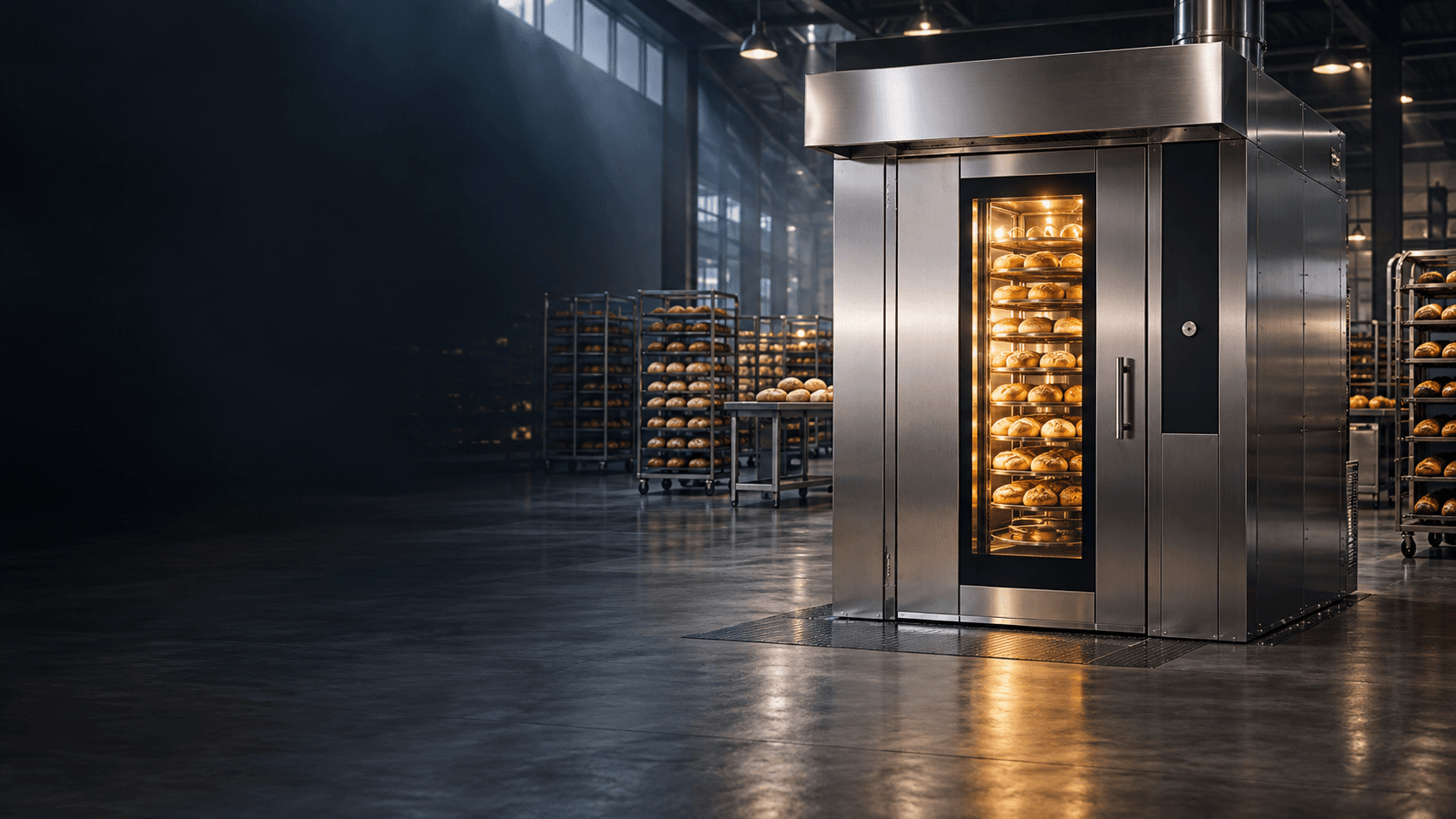
A bread making machine is rarely one universal machine. For a commercial bakery, bread production normally combines mixing, dough rest, dividing, rounding or moulding, proofing, baking, cooling and sometimes slicing and packing. A small bread production line should automate the steps that constrain output or consistency without creating equipment that the team cannot keep supplied, clean or maintain.
This guide helps buyers define a practical line for buns, toast bread and other common products. It avoids promising output from an untested recipe. The final selection should be confirmed from the actual dough, product size, tray or pan arrangement and shift schedule.
Define the bread before selecting a bread making machine
Prepare a product sheet for each bread. Include finished dimensions, target raw dough weight, baked weight if controlled, crust and crumb expectations, pan or tray layout, ingredients that affect handling, proofing program and bake program. Add a photo or physical sample where possible.
Identify the products that set the limits. A soft dough may be more difficult to divide and transfer. A firm dough may require different forming pressure. Raisins, nuts or other inclusions may affect the divider or moulder. A tall loaf determines pan and proofer clearance. Do not approve the line only from the easiest product.
State the peak production window
Write the quantity that must be ready by each dispatch time, not only the daily total. If 70 percent of the bread must leave before 7 a.m., the early production window determines the required line rate. Include the number of shifts, changeovers and routine cleaning periods.
Build the small bread production line step by step
A typical sequence may include a dough mixer, resting or transfer stage, dough divider, rounder, intermediate rest where required, moulder or forming machine, final proofer and oven. Toast bread may add pan handling and slicing after sufficient cooling. Buns may use different rounding, moulding and tray-loading arrangements.
Start with the minimum necessary sequence. If operators can transfer dough or trays reliably at the planned rate, manual handling may be appropriate for an early-stage line. Automate a transfer only after defining the height, timing, buffer and cleaning method. A conveyor does not solve an upstream variation in dough condition.
Review dough forming equipment
Select the mixer from real dough batches
Provide flour weight, water and other ingredients, total dough weight, mixing stages, expected batch frequency and target dough temperature. Hongzhong’s commercial dough mixer range starts at 60 L. Select the model only after confirming the usable recipe batch and whether the line can receive each batch at the intended interval.
Estimate how many divider runs or oven loads one mixer batch supplies. If the mixer produces much more dough than the forming section handles before the desired rest time changes, use a smaller batch or plan controlled staging. If the mixer is too small, the next section may wait between batches.
Compare commercial dough mixers from 60 L
Evaluate dividing by weight consistency, not headline speed
Define the raw piece-weight range and tolerance that the business requires. During a trial, collect individual pieces across startup, steady running, a routine pause and a lower hopper level. Record the recipe condition and settings. Compare the distribution of individual weights, not only the average.
Calculate accepted pieces per minute from pieces that meet the agreed criteria. If a ten-minute run produces 600 pieces but 30 fall outside the agreed weight or shape limits, the accepted forming rate is 57 pieces per minute for that interval. This example explains the method and is not a Hongzhong machine rating.
Use rounding and moulding that match the finished bread
A rounder should produce a surface and shape suitable for the next rest or forming stage without unnecessary damage. A moulder for toast or elongated bread should be checked using the intended piece weight and pan dimensions. Examine the product after proofing and baking, because a piece that looks acceptable at the machine may reveal uneven structure later.
Record roller or forming settings used in the test. If the buyer needs several products, request separate approved setup notes and identify any extra tools. Confirm all special functions in the written quotation.
Balance proofing capacity with the oven schedule
Calculate how many trays or pans enter the proofer during one proofing program and how many must be ready for the next bake. Include loading and unloading. Verify shelf spacing, product clearance, rack dimensions and the environmental controls offered for the selected unit.
For a rotary rack oven, compare the rack capacity with the actual tray layout. A 16-tray oven may fit lower-volume or flexible schedules, while 32- and 64-tray configurations may support larger loads when the forming and proofing sections can keep them supplied. Hongzhong publishes planning outputs of 50, 100 and 200 kg/h for the respective groups; verify actual performance using the recipe, tray loading and cycle.
Compare rotary rack oven sizes for bread production
Do not forget cooling, slicing and packing
Bread needs enough controlled cooling before slicing or enclosing in packaging. Define how racks or products leave the oven, where they wait, and how operators know when the next process can begin. The required cooling method and time depend on the product and the bakery’s process controls.
If sliced bread is included, send the loaf dimensions, product condition at slicing and desired slice thickness. Test representative loaves and inspect compression, tearing and crumb generation. A slicer cannot compensate for a loaf that is too warm or structurally unsuitable at the time of cutting.
Plan utilities, floor space and access
Provide destination voltage, frequency and phase for every powered machine. Give the preferred heating source for the oven and confirm local availability. Rated power is stated in kW. Measured electrical consumption should be recorded in kWh over an agreed test or operating period.
Draw the room, doorways, columns, drains and intended material flow. Add operating and service clearance, dough-tub movement, tray storage, rack turning and cooling positions. Confirm shipping dimensions and the route from unloading to final position before shipment.
Set a realistic automation level
A small bread production line benefits from repeatable settings and efficient handoffs, but maximum automation is not automatically the best investment. Consider product variety, staff skills, cleaning frequency, spare-parts access and the number of hours the line will run. A simple line that matches demand can be more useful than a complex system operating far below its design rate.
Compare labour by task rather than promising a fixed headcount. List ingredient preparation, loading, monitoring, tray or pan handling, cleaning, packing and supervision. Local workplace and food-safety requirements remain the buyer’s responsibility.
Run a product trial and factory acceptance test
Agree on the dough recipe or handling specification, target piece weight, sample size, line sequence and acceptance criteria. Record settings, elapsed time, accepted output and any manual intervention. Follow samples through proofing and baking when judging the forming result.
The factory acceptance test should also verify models, voltage, controls, guards, included tools, pans, trays, racks and documentation. Keep unresolved items in a signed action list. A promotional demonstration is useful for orientation but does not replace a configuration-specific check.
Send your bread samples and shift target for a line configuration review
Compare the complete project cost
Separate machine price, tools, trays or pans, racks, proofing and oven equipment, export packing, international freight, installation and destination services. Confirm the delivery term. Sea freight is not assumed free. Add expected local utility and ventilation work before comparing project totals.
For operating estimates, use accepted product, labour tasks, actual measured energy and recipe loss over a defined period. Keep catalog ratings and unverified future growth assumptions visible rather than presenting them as measured results.
Frequently asked questions
Which machines are needed for a small bread production line?
The core may include mixing, dividing, rounding or moulding, proofing and baking. The product may also require intermediate rest, pans, cooling, slicing or packing. Define the bread and workflow before finalizing the sequence.
Can one line make buns and toast bread?
Some equipment can support several products, but forming, proofing, pans and settings differ. Test representative doughs and identify extra tools or separate stages in the quotation.
How do I choose line capacity?
Work backward from accepted products required within the peak dispatch window. Compare mixer batches, accepted forming rate, proofing positions, oven loads, cooling and packing over the same schedule.
What should I send to obtain a quotation?
Send product photos, recipe handling information, raw piece weights, quantities and dispatch times, pan or tray dimensions, room drawing, utilities and destination.
Conclusion
A bread making machine should be chosen as part of a balanced production route. A small bread production line becomes easier to quote and test when the buyer defines the recipe, accepted output, handoffs, proofing and baking schedule, site utilities and evidence required before shipment.