Buying Guide · commercial bread slicer trial
Commercial Bread Slicer Trial for Soft Sandwich Loaves
 Written and reviewed by BelindaCEO of Shanghai Hongzhong · equipment selection and export project guidance
Introduction
A commercial bread slicer trial should show how many acceptable loaves reach the bag, with your actual bread and staffing. A slicer may cut quickly but leave compressed ends, detached slices or a loaf that needs manual realignment. Test those outcomes before using the machine's advertised rate in a production forecast.
Set up a fair soft-loaf comparison
Use loaves of the same recipe, pan size and bake lot where practical. Record loaf height, width and length, target slice thickness and time since baking. Ask your bakery to define the release condition for slicing. If one test group sits longer than another, separate the possible effect of cooling from the equipment result.
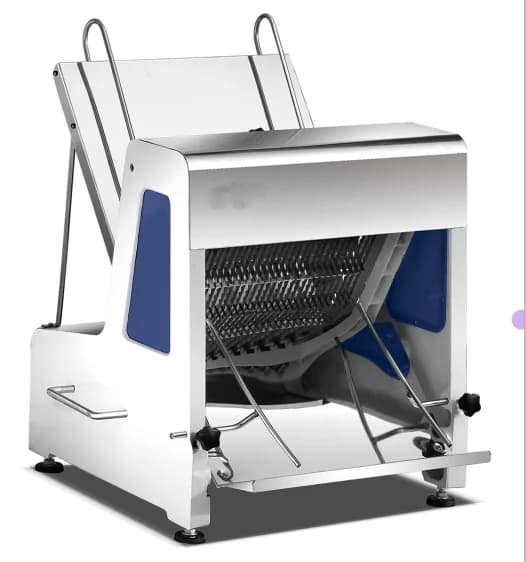
Confirm which slice settings and loaf dimensions the quoted configuration accepts. Oliver's manufacturer slicer page illustrates why slice spacing options are model-specific. For the proposed Hongzhong bread slicer, get a written specification and test the intended setting.
Measure what the packer sees
For a short reference run, check dimensions at comparable slice positions. Record misshapen heels, torn slices and visible compression separately. Set a consistent method if you weigh crumbs, including which collection area is counted and the number of loaves processed. Sample across the run so a clean first loaf cannot hide deterioration later. Record any loaf the packer rearranges before sealing.
Try a second run with the highest loaf and the softest loaf expected in normal production. Record loading and bagging time alongside the cut. In an illustrative 30-loaf run taking 12 minutes, three rejected loaves leave 27 accepted packs, or 2.25 accepted packs per minute for that run. If a normal cleanup or spacing change is excluded, record its duration separately before forecasting a shift. The example is not a machine rating.
Planning a bread slicing trial? Send your loaf dimensions, slice thickness and bagging format before selecting a configuration.
Keep the agreed setup in the purchase documents
Record the proposed blade or spacing setup, loaf guide, supplied accessories and any bagging aids. Ask which parts are wear items and what the approved replacement and cleaning procedures require. Keep the trial loaf dimensions and the agreed product acceptance criteria with the quote. Where the test excludes packaging, say so in the record and verify the handoff later.
Use the machine's guards and approved operating procedures throughout the trial. If an adjustment requires stopping and isolating equipment, have qualified personnel follow the supplier's procedure. Verify the installation supply and quote international freight separately for the destination. See the commercial bread slicer buying guide for broader selection questions.
Build a sample sheet the packing team can use
Give every loaf a lot ID and record its cooling time, height, test setting and final result. Use separate columns for cut defects and packing defects. If a loaf has both, count it once in the total rejects while recording both causes. Time loading, slicing and bagging together if the same operator is expected to do all three. If a second operator handles bags during the trial, note that staffing before comparing the number with the current shift.
Compare first, middle and last loaves
Use the first samples to check loading and alignment. Repeat the same inspection during steady running and near the end of the run. If damage grows gradually, record exactly when it starts and ask the supplier which approved checks can help explain it. If damage appears only on the first loaf after a pause, repeat the restart on the same bread before changing the setting. Record each change separately so the bakery can tell what improved the result.
Keep the accepted pack as the unit of comparison
Suppose two trial setups process 30 loaves. The faster one finishes in ten minutes but delivers 24 acceptable packs. The other takes 12 minutes and delivers 29. Both are near 2.4 accepted packs per minute. The second delivers more from the same bake lot, while the first may consume fewer minutes at the slicing station. Compare the effect on ingredient cost and the dispatch deadline before deciding. The example illustrates a comparison method and does not represent either machine's performance.
Frequently asked questions
What if the loaf slices cleanly but is difficult to bag?
Test the intended bagging steps and measure accepted packs. Record where the loaf loses shape or slices separate, then confirm whether the proposed guide or receiving surface changes that result.
Should I test at more than one cooling time?
Test the earliest and latest normal release conditions if both occur in production. Record them as separate groups so the results can be compared.
Is a short trial sufficient to forecast output?
Use it to screen the application, then include the normal product mix, handling, changeovers and cleaning before estimating daily volume.
Conclusion
Bring your softest representative loaf, agree on saleable results and measure the complete handoff to packing. Compare equipment using the setup and process you will actually buy.
Request a bread slicer quote. Share your sample plan, production volume and destination for a review of the relevant options.